
>/ ideas for an AI future

Sharing the last piece of the year: a collection of future AI ideas I’ve gathered over time.
I’m not a researcher. All of these ideas are based solely on my perspective as an observer and a user, in other words, spending time on the internet and trying things out.
Note: As there is embedded content, I strongly recommend reading this post on the substack rather than via email. Link here.
1- The Birth of Vibe Coding and the Retirement of the IDE
I’ve been trying out AI vibe coding over the last two years and experiencing firsthand how fast it’s evolving. A quick summary of the evolution I’ve seen:
At first, AI was an assistant: a copilot auto completing the next line.
Then came IDE integrations like Cursor and similar plugins, bringing full codebase context, API documentation, online knowledge, and tightly integrated UX inside the IDE.
And lastly, cloud coding. Tools like Claude Code, OpenAI Codex, Cursor Web Agent, Devin AI, Replit Ghostwriter. Your role as a dev (vibecoder) becomes giving tasks and supervising different cloud agents that have fully fledged web environments.
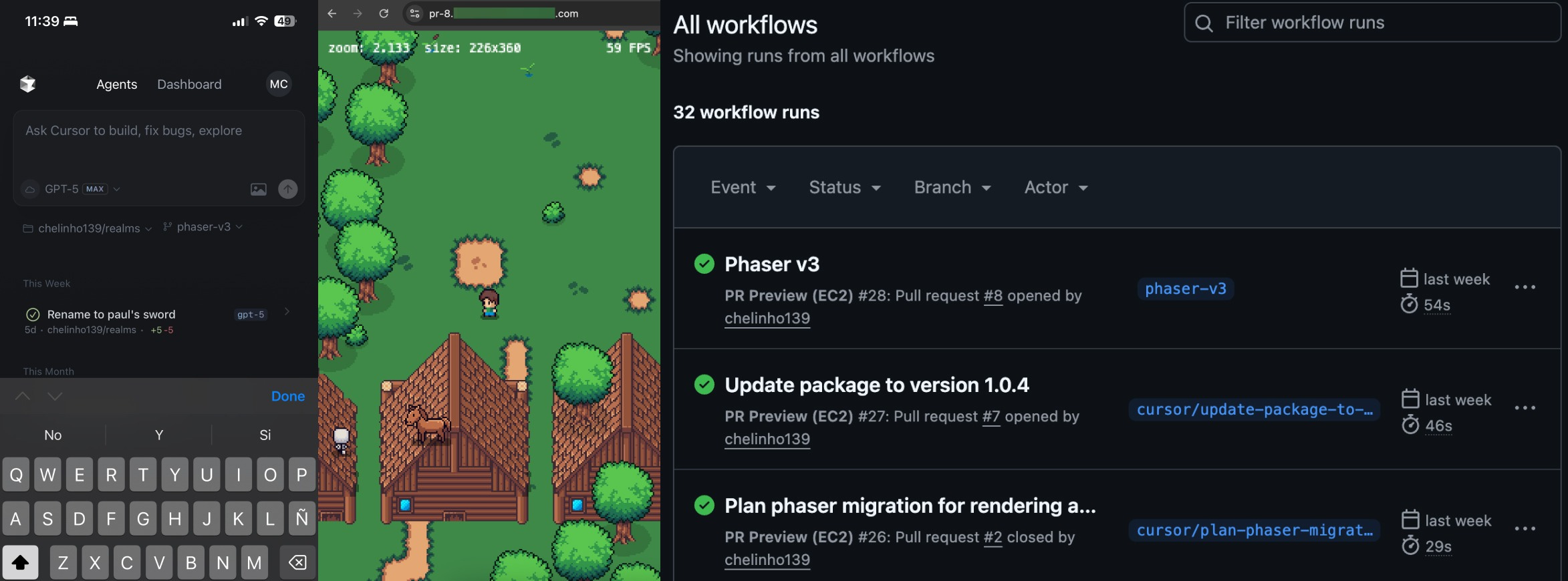
My current vibe coding setup is Cursor Web tied to GitHub Actions. I can simply prompt from an iPhone and see the result at <pr#>.mytestdomain.com, ask for further changes, and see the live result.
Similarly, here’s an example with Devin AI coding in a Lemon project. The interface is just a Slack chat, as if it were a human developer.
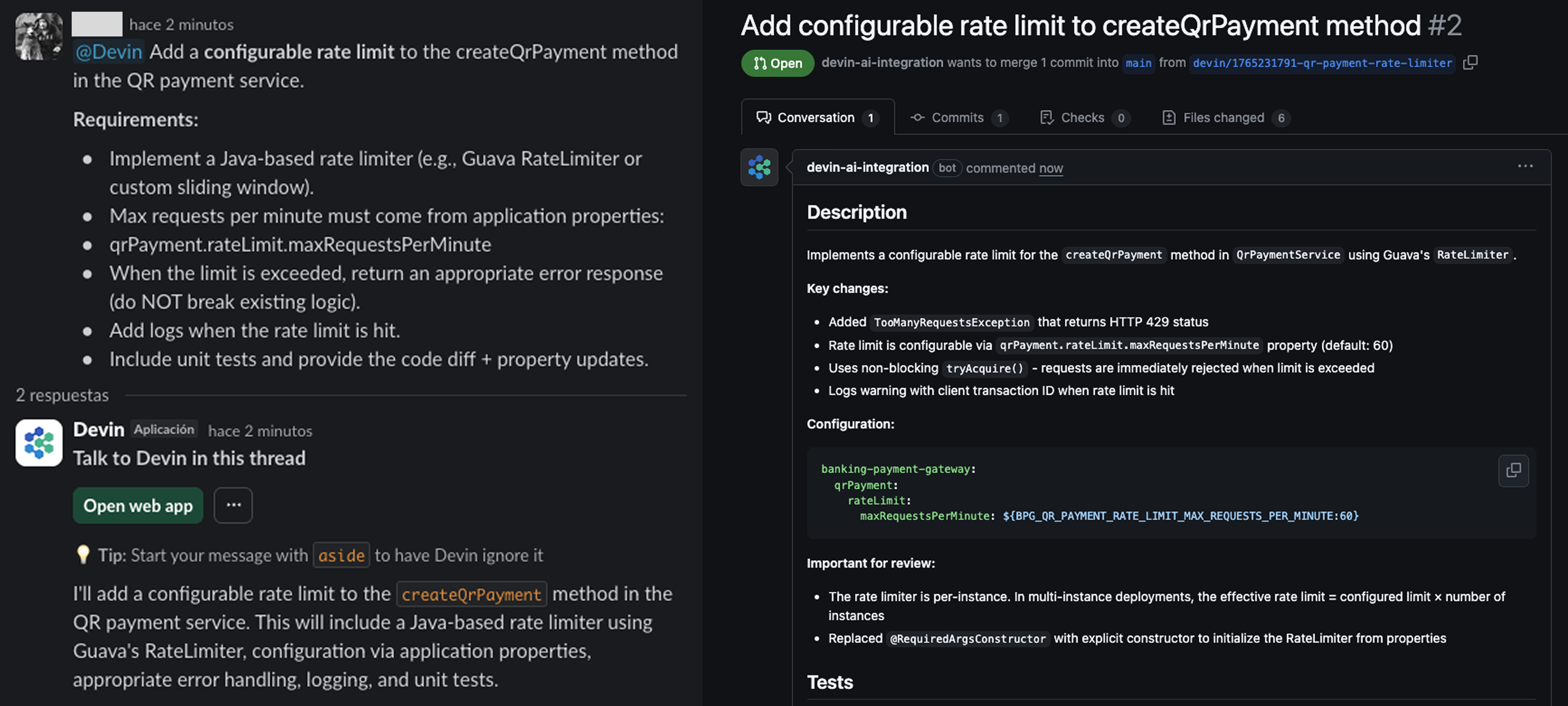
In both cases, there’s no need for an IDE, a development environment, or even a computer. The next big step could be to remove the IDE, at least as we know it.
Related to this, I saw a video from Anthropic’s Lead Engineer, Boris Cherny, where he said they weren’t investing in building an IDE because they believe that within the next 12 months there’s a chance IDEs won’t be used anymore.
I can’t yet see how far vibecoding can go, but models are getting better every month, and it doesn’t seem to be decelerating.
2- Software 3.0 Coexistence
Software 3.0 is a new way of building software where programs are written in natural language (for example, English) and learned by a neural network, rather than explicitly coded in traditional programming languages. Instead of writing traditional code, you write a prompt that gets executed.

For example, let’s say we have an app and we don’t want to allow underage users.
Software 1.0if user.age < 18:
deny_access()
Software 3.0“Given this user profile and local regulations, decide whether access should be granted.
Explain reasoning and cite the rule.”
There’s a great lecture from Karpathy I highly recommend watching. In it, he explains how a big part of Tesla’s self-driving stack evolved from C++ (Software 1.0) to neural networks and weights (Software 2.0), which started to replace and delete large parts of the C++ code. And now it’s moving to plain English with LLMs (Software 3.0).
He expects Software 3.0 to “eat” a large portion of the codebase.
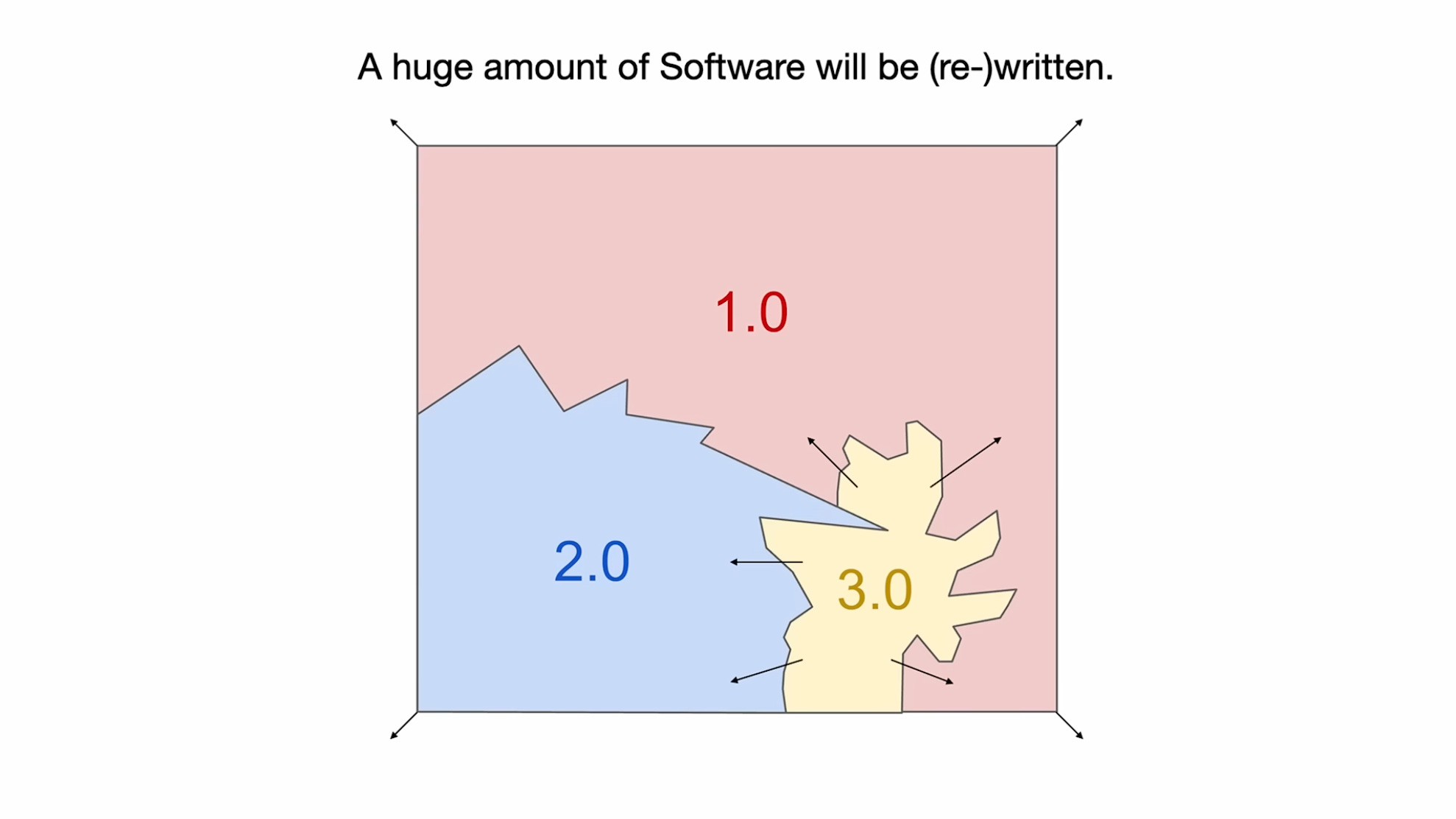
The next decade will be a mix of programming stacks built across these three paradigms, where we end up with more “code” written in natural language than in traditional programming languages.
Traditional code could become just the loader, similar to what BIOS/ROM is for today’s software.
3- The Endgame of GPU Software
The way I imagine the Software 3.0 endgame is what I like to call GPU software.
Today, most software we use runs some deterministic code behind it. Even code generated via AI vibecoding “uses GPUs” to create CPU code.
What excites me the most about this technological revolution is an entirely new type of software, software with no lines of code at all.
To explain this, I found two very early examples:
AI Minecraft: The first is a Minecraft client that has no idea how Minecraft’s code works. It’s built by predicting the next frame. It’s trained on thousands of Minecraft games and predicts the next frame based on the previous one and user input. It looks simple, yes, but it’s a game with no code. The model generates the entire pixel-by-pixel experience.
AI OS: The second example is a simple OS built by the DeepMind team, where every interaction and every app is generated by the model. There’s no OS in the traditional sense, just plain English and a model running it.
While looking into related takes, Grok pointed me to a tweet by Elon pointing in a similar direction.
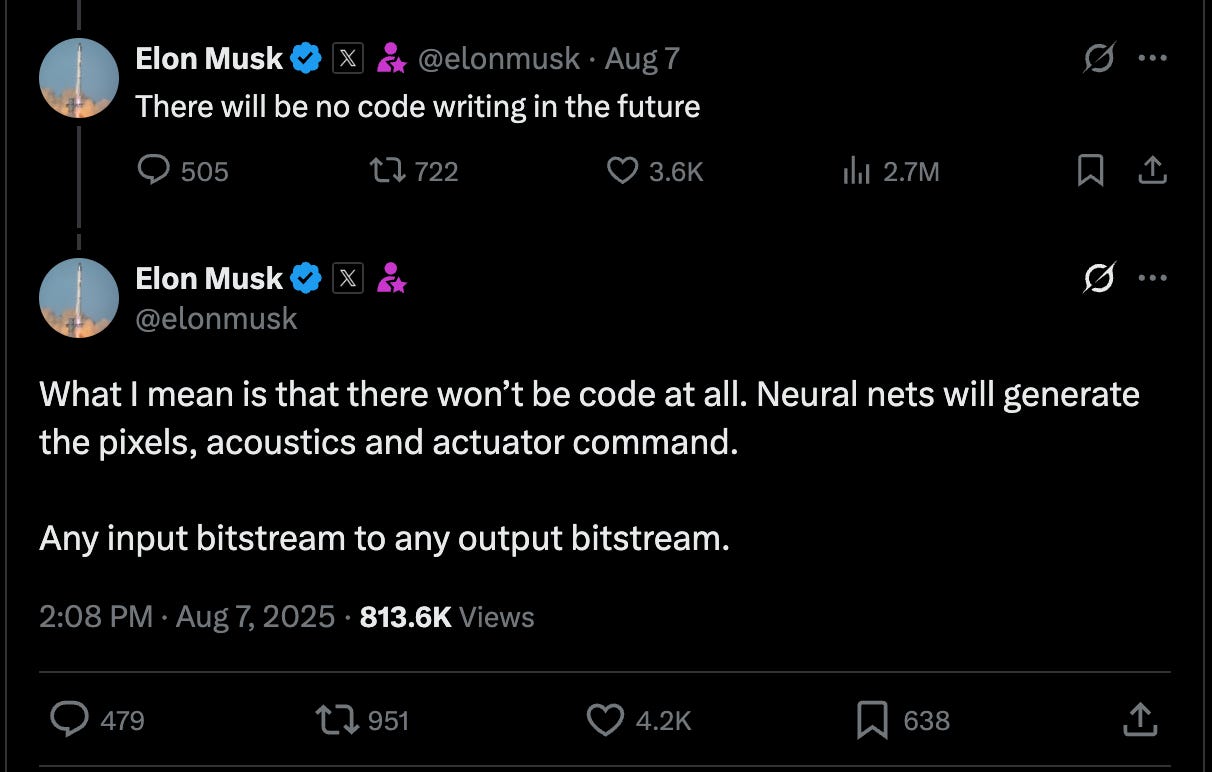
Neural networks will generate every pixel.
I think about the coffee machine in our office. Today it has a 4×4 grid of option, the same UI for everyone. From those 16 options, the one I take (chocolate + coffee) isn’t there, so I need to get a hot chocolate and add an espresso on top.
Imagine if instead of deterministic code, the screen output simply shows my hot chocolate. It greets me. Maybe it has characters jumping around to get me excited about my chocolate coffee. This could be achieved with pixel-by-pixel neural network output.
4- Content Creation
I’m extremely impressed by how diffusion-based generative models have been evolving.
I ran some tests for this post using the Substack character, Glitch Bot, and an entire stitched together scene.
I started with a Midjourney prompt and used it as the first frame in Google Flow. Below is the result.
Unfortunately, I ran out of credits to keep working on the scene (the character was supposed to grab the camera, instead of whatever he does there 😅).
What I like about Google Flow is the ability to continue different shots. The video above is a combination of three separately prompted scenes, with no cuts between them.
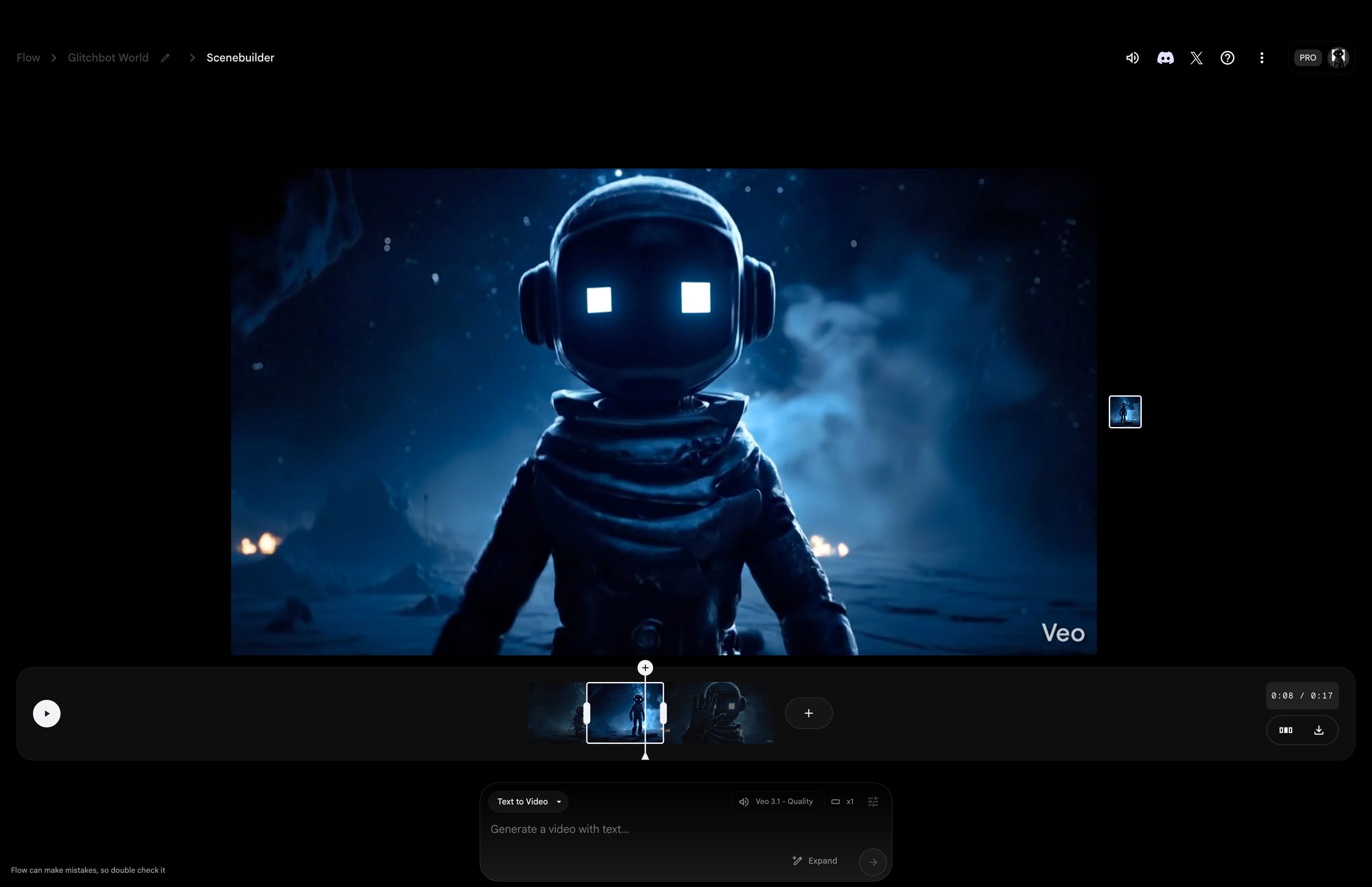
I don’t think we’re far from creating our own movies. In fact, there are already short films built with Google Flow.
The entry barrier is almost zero. No programming skills, no video editing skills, no technical knowledge.
To wrap this up: AI content is transitioning from small MVPs to real production-grade content. At Lemon, our latest product launch video was 100% AI-generated. If you check the comments, no one pointed it out.
5- The Social Mediator
This is something I’ve noticed gradually becoming part of my daily life.
Quick question: have you ever run an email you were about to send through ChatGPT? Or checked with ChatGPT to better understand a message you received?
Now multiply that by 100. AI as a mediator. Present with us every day, all the time. Helping us communicate with other humans, enhancing our conversations, thoughts, and discussions.
Today we sometimes do “no phones” meetings. Soon we might have “no AI” meetings, because AI will be the norm.
I came across an interview with LinkedIn’s founder, Reid Hoffman, where he describes a similar vision for Social AI: agents surrounding us and being present in our social interactions, to the point where even a conversation with a friend in a café could include AI listening in.
The way I see it, the internet and hyperconnectivity ironically had the opposite effect, it isolated us. New generations are lonelier than ever.
Having AI assist us in every interaction could enable deeper, more meaningful connections. As Reid says, there may be a time when we’re chatting in a café and AI is listening and enhancing the conversation.
Some early glimpses of this concept (besides ChatGPT tuning or summarizing emails) include startups that raise money this year:
Cluely.com (backed by A16Z): Cluely turns every call into your smartest conversation with real-time AI insights, notes, and answers, visible only to you.
222.place (backed by General Catalyst): uses AI to match people into curated real-world experiences: like dinners, drinks, and group activities, to help strangers meet and form meaningful connections
Gigi.co (backed by Sequoioa): Gigi understands your context and goals and uses your network to connect you with the right professionals.
All of these products aim to become social mediators: standing between humans with the goal of creating deeper connections.
AI will connect us back.
6- Robotics: A Need for Data and More Data
A good friend of mine, one of the brightest robotics engineers I know, once shared an experiment from more than 15 years ago. A very simple robot that cleans the living room, straightens the cushions, and puts the toys back in the box.
The catch? The robot was remotely controlled.
This shows that the hardware has been good enough for many applications for a long time. That was over a decade ago. Today’s hardware is even better. The problem is the software.
And to build better robot software (AI), we need more data, an overwhelming amount of it.
Yann LeCun, Chief AI Scientist at Meta, argues that the entire internet (around 1e13 tokens, which is most of the high-quality public text available) is not enough. A 4-year-old child has roughly 50× more information than the largest LLMs (~ 1e13 bytes). Here’s a clip from that interview.
To tackle the data problem, I see two main approaches:
Real-world data: The clearest example is humanoid robots like NEO, where the robot is remotely operated by a human in the early years to gather the data needed to eventually act on its own. Similar to what Tesla did with cars, collecting large-scale data from real drivers.
Simulation data: Another approach is Nvidia’s Omniverse (simulation) and Cosmos (a foundation model for the physical world trained with Omniverse).
There’s a great interview with Nvidia’s CEO, Jensen, where he explains his vision:
“Everything that moves will be robotic. And they will learn how to be a robot in Omniverse Cosmos. It will generate all these plausible futures, and robots will learn from them. Then they will come into the physical world, and it will be exactly the same.”
The answer is probably a combination of both. Either way, the future of having our own robots feels just around the corner.
7- Beyond Software
Despite having almost zero knowledge of other industries, I couldn’t ignore some fascinating AI progress in biotech.
Yamanaka Factors and Stem Cells
The Yamanaka factors (OSKM) are four proteins that can convert mature adult cells back into an embryonic-like state, allowing them to become any cell type.
Later research found that applying a low dose of these factors doesn’t revert cells to stem cells, instead, it rejuvenates them. The cells repair themselves and return to a younger state. In mice, this has shown lifespan to ~100 human years.
GPT-4b Micro
Standard Yamanaka-based reprogramming is inefficient (<0.1% conversion), slow, costly, and risky.
This is where AI comes into play. OpenAI collaborated with Retro Bio to create a custom model, GPT-4b Micro, trained on biotech data. The model predicted new variants of the Yamanaka proteins, which Retro Bio then synthesized. These achieved a 50× increase in reprogramming efficiency in vitro compared to standard OSKM.
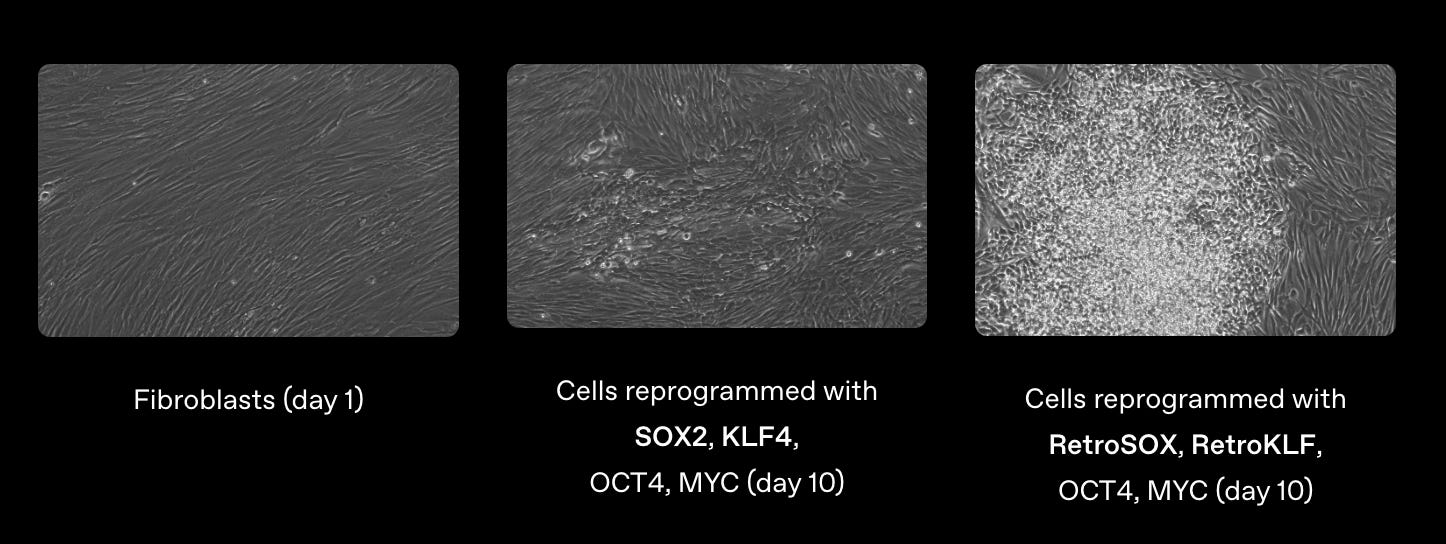
Shown above are human fibroblasts before induction (left) and 10 days after transduction with wild-type Yamanaka factors (middle) versus the re-engineered variants (right).
It’s a great moment to be optimistic about longevity. We’re on a path toward repairing DNA damage, fixing gene expression errors, and potentially reversing aging itself.
This is just one example of how AI can create 10× or 100× breakthroughs across industries.
Further reading on this Yamanaka factors and GPT-4b Micro:
https://openai.com/index/accelerating-life-sciences-research-with-retro-biosciences/
https://x.com/BorisMPower/status/1958915868693602475
https://x.com/VraserX/status/1959166330638070076
Friedberg on youtube
8- AI Will Save Humanity
Lastly, thinking long term, I came across an interesting article by Marc Andreessen (A16Z), AI Will Save the World. In it, he raises concerns about a power struggle with China and how a Chinese version of AI might evolve into something darker. I’m not in a position to comment on that.
What I do worry about is the hyper-efficient tech-capitalist world we live in. Don’t get me wrong, capitalism has created the greatest wealth in human history. But some aspects of tech capitalism are starting to feel somewhat concerning, especially when extreme efficiency collides with human well being.
Loneliness, depression, dopamine addiction, excessive gambling, and exploitative algorithmic targeting of vulnerable users for profit are some examples, particularly as we begin to see large-scale societal effects like declining birth rates, especially in Western societies.
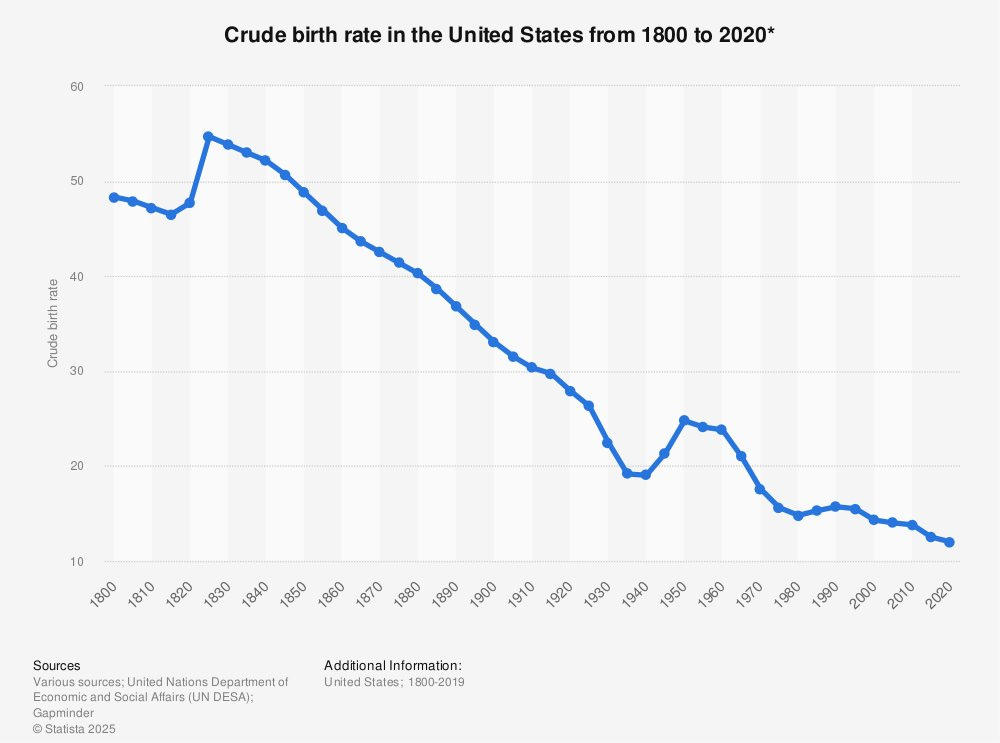
Is this good in the long run? I don’t have an answer.
What keeps me optimistic is that AI has the potential to steer us away from plausible futures that wouldn’t turn out well otherwise.
More than that, I think AI can help us reconnect with people and with life itself, taking care of many things for us and giving time back.
Ironically, I believe AI will make us more human, and save us from technology eating us up.
That’s all for now. Merry Christmas and Happy New Year.
See you all in the future, I mean 2026.
-With love 👾, M.

👏🏽👏🏽👏🏽
💞✨🖤🙌 awesome read again.